Damon Albarn / Thoughts on Gesso Boards
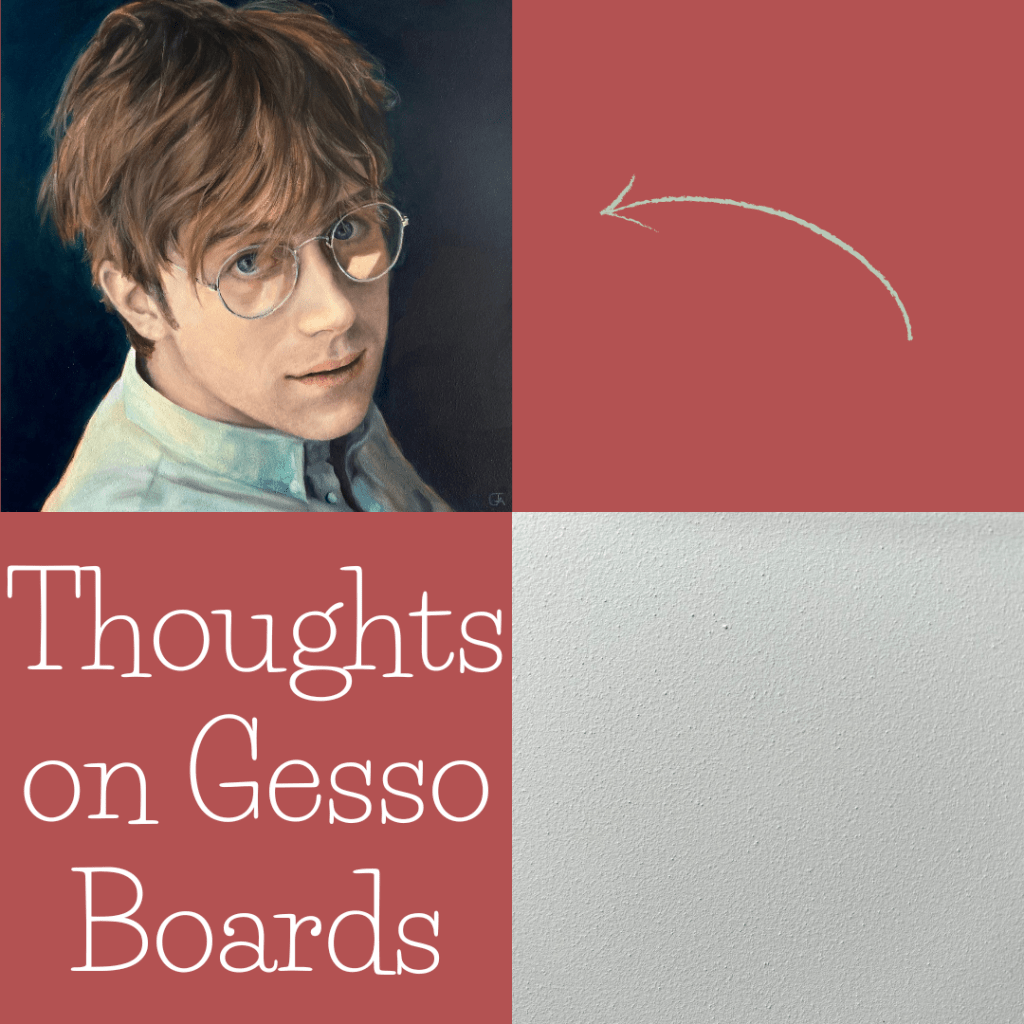
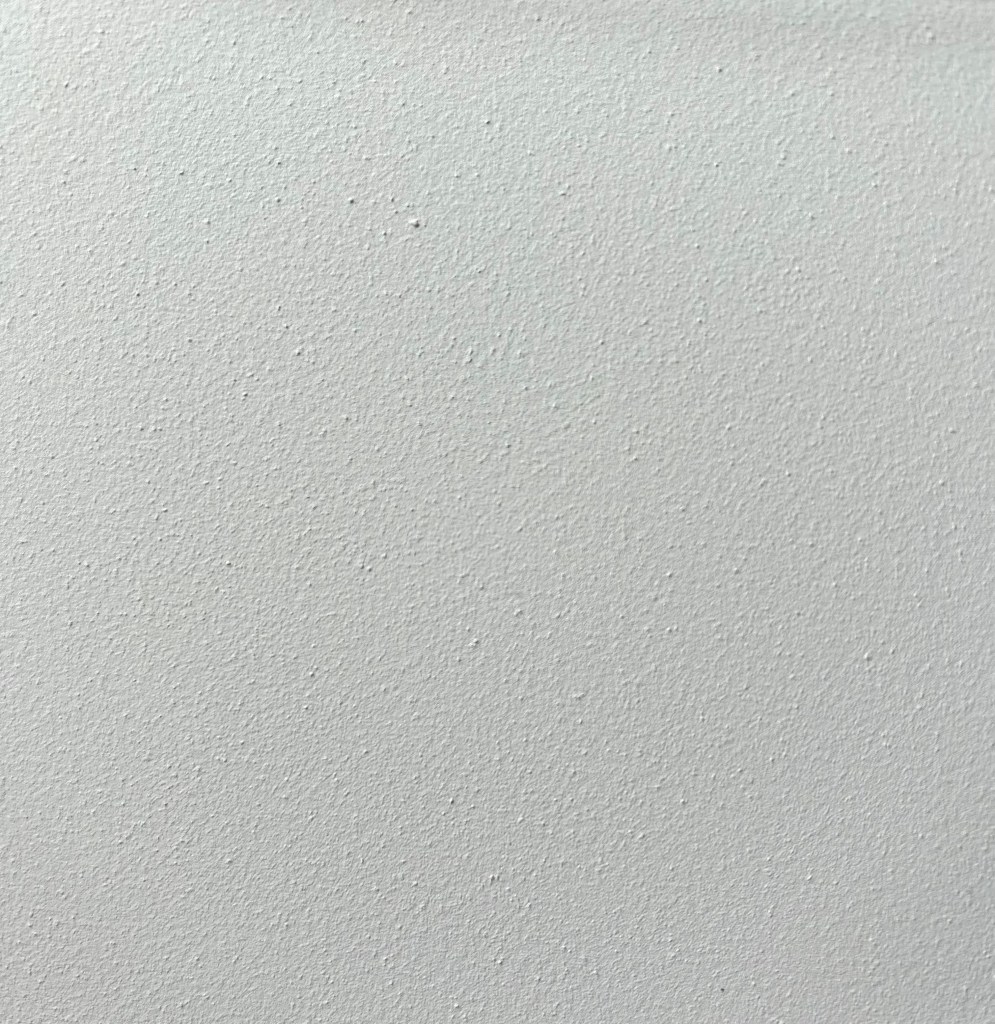
This painting began with a different approach than my typical paintings. The first time using a coarse-grain gesso board, it was akin to painting on a light-grit sandpaper. That being said, the texture and strength of the painting surface led to fine detail work that can be difficult to achieve on canvas. By light, long brush strokes, the texture of the surface can create highlight effects, as present in the hair.
Phase One:
I typically start my paintings with a limited palette of colors, as in this case, burnt umber and titanium white for the face, and burnt sienna for the background (still visible around the edges of the shirt).
By the first pass of color, I started off rather ambitious, hoping to utilize a wild color scheme. The possibilities of color choice while working with B/W reference images are vast, as long as the values are similar.
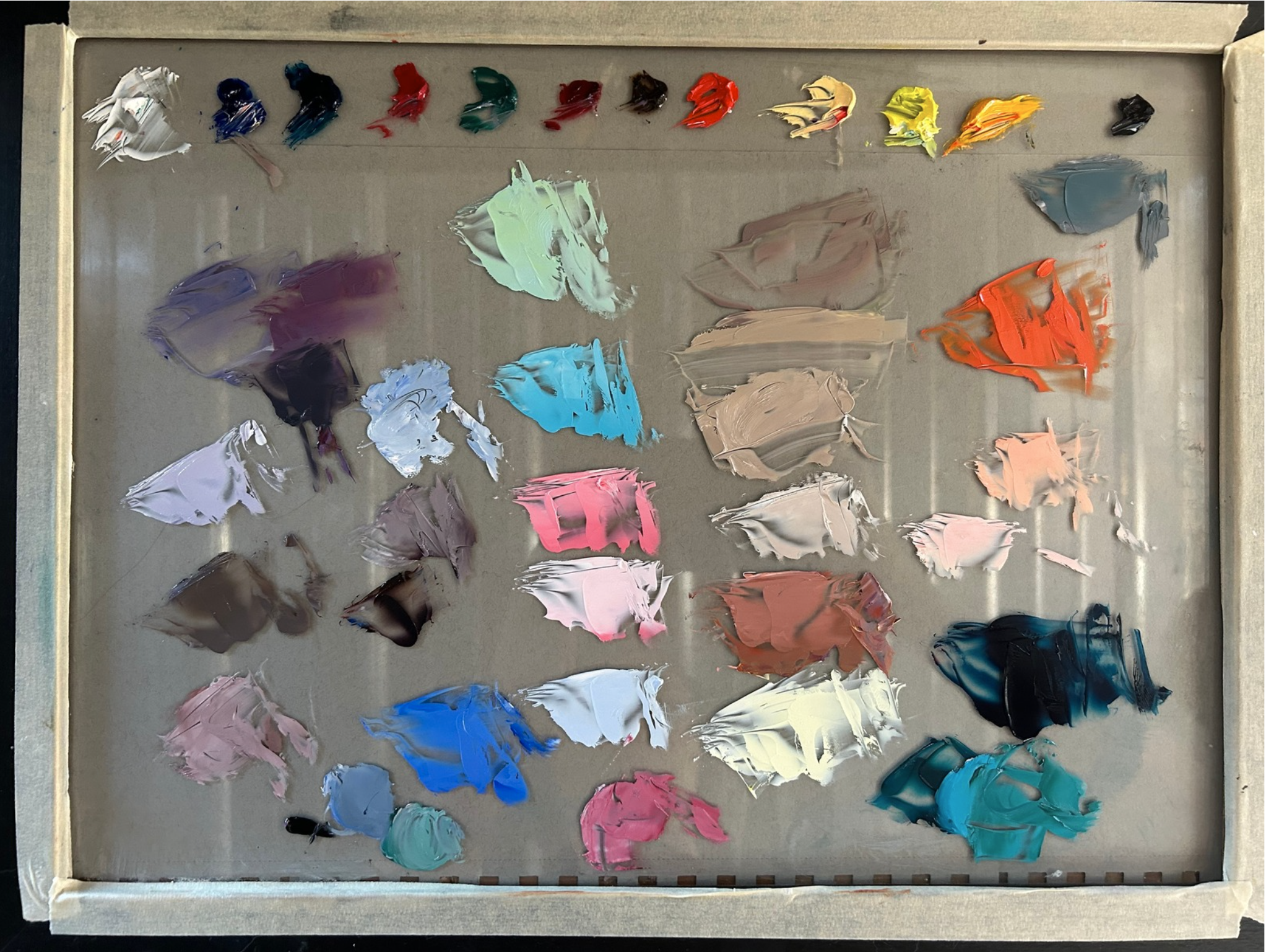
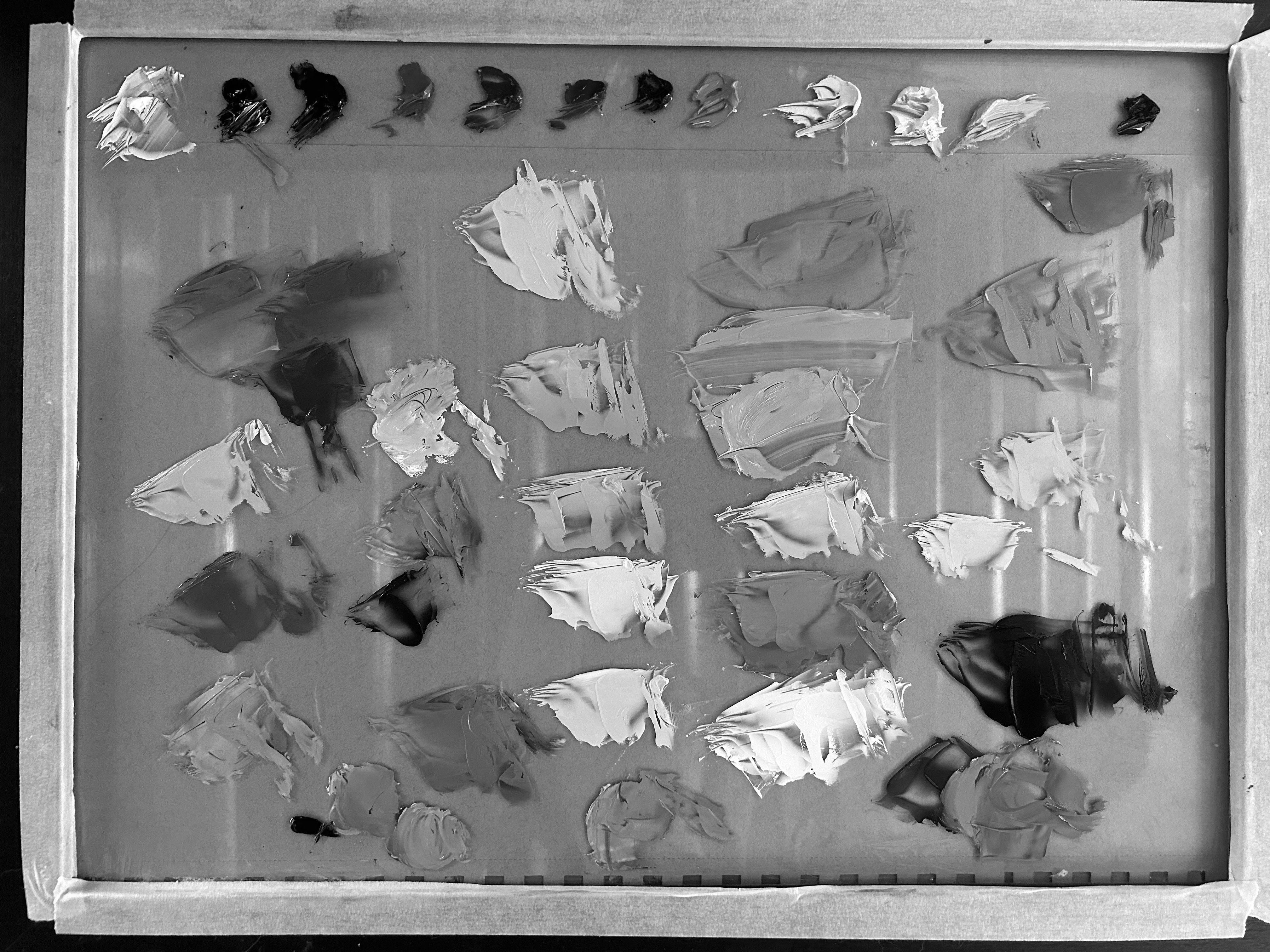
I quickly found out, however, that most of the colors were too light and saturated. No matter, as most of these colors are only partially visible in the subsequent layers. I’ve always found the second layer to be sort of a sandbox to experiment a bit to determine color placement and refine features from the underpainting.
The glaze for the shirt consisted primarily of Phthalo Turquoise. While the color is transparent in nature, a glazing medium was introduced to the mixture to thin the consistency of the paint- to the point where the underpainting was still readily visible.
Phase Three:
This is usually the stage where the fine details are added. The eyes and mouth predominantly take up most of the painting time. One technique I have found to work well for adding details to the iris is by mixing a small amount of paint with enough medium (usually Liquin or Neo Megilp) to reduce its viscosity so that it can be used with a dip pen.

To differentiate the sheen between the elements of the painting, a cold wax medium (primarily made from bee’s wax and mineral spirits) was used as a matting agent with the background’s blue paint mixture.
Closing Thoughts:
In summary, I would definitely recommend coarse-grained gesso boards- for certain applications. Certain techniques take to the media well, but I would not recommend the alla prima method, as paint does not readily move around on this type of surface in the first layers. When applying the first couple layers of paint, the board absorbs the paint, so brushstrokes are not as workable as on canvas- the surface sort of reminds me of applying the first layer of paint on new drywall.
Bonus:
I tend to make themed playlists based on different paintings. This is one I made for this painting:
Credit to photographer Martyn Goodacre for the original reference image.
 24Hr Coffee Fine Art
Leave a comment